
Individuals ⋅ Couples ⋅ Families
Internal Family Systems ⋅ Emotionally-Focussed Therapy ⋅ Brainspotting
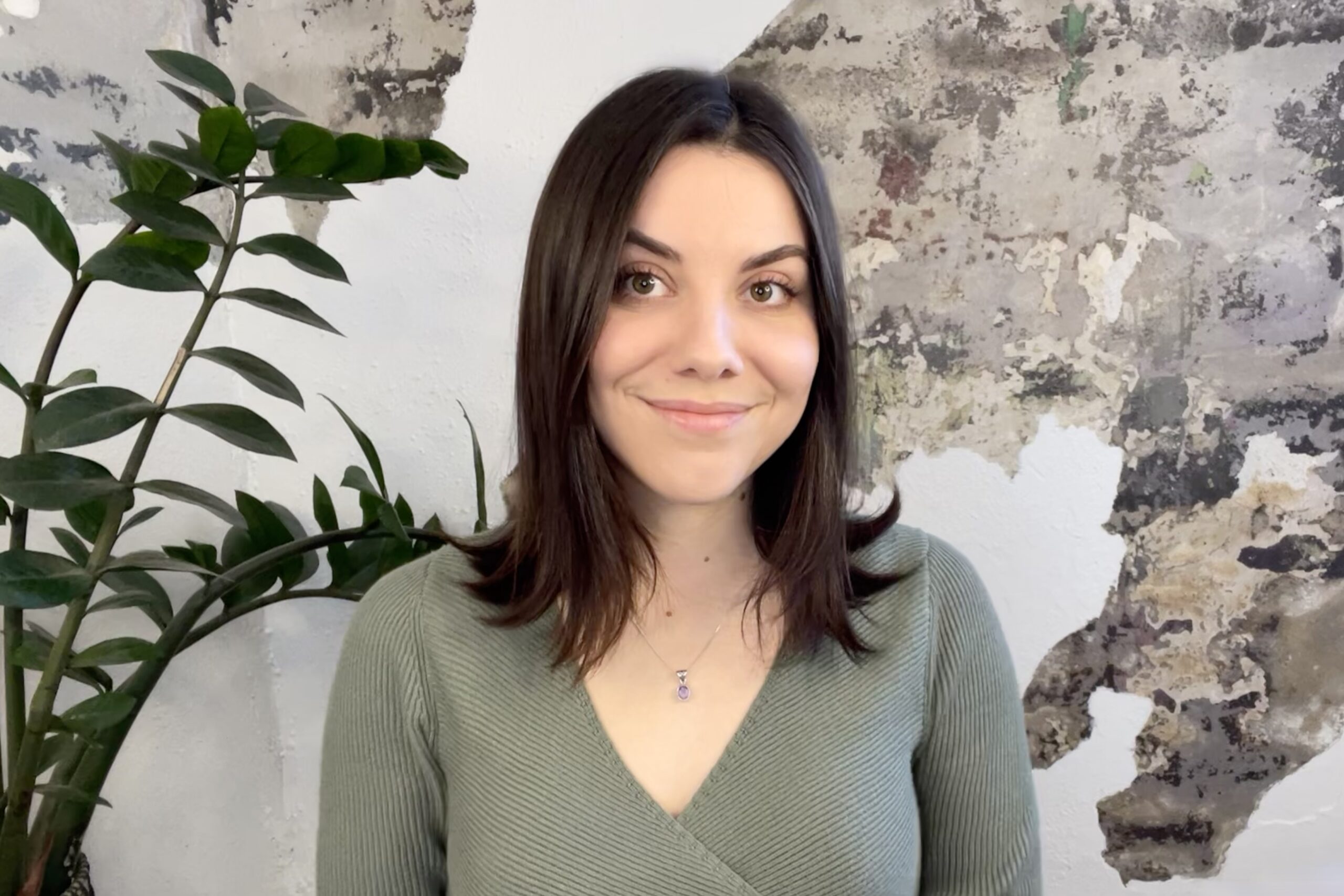
I’m Adriana, a registered counsellor based in the inner west of Sydney. I get that picking the right therapist is important, so here’s a bit about my approach and what you can expect from working with me.
Therapy is more than just listening and offering support. Good therapy involves a deep exploration of your mind, and your relationships with the people and situations of your life. Facilitating conversations of this kind requires both knowledge of how the mind and relationships function, and the skill to navigate them effectively.
To this end, I’ve put time and effort into investigating which therapeutic frameworks are most effective, and have pursued training and supervision from therapists whose skill I respect. All this to say I love what I do, and I really care about this work. It’s important to me that I bring the best value therapeutic service to my clients.
My work integrates Internal Family Systems (IFS), Emotionally Focused Therapy (EFT), and Brainspotting, as I’ve found that they offer the best maps for understanding what’s going on, and how to most effectively help.
I work in a relaxed and open way that focuses on providing empathy, safety, and non-judgmental acceptance so that you feel comfortable and supported, no matter what comes up in session. My approach is inherently collaborative; I firmly believe that you are the expert on your own life, and my role is to guide and support you in your journey towards understanding and healing.
Whether you're facing personal challenges, relationship difficulties, or intricate family dynamics, I am here to facilitate a safe exploration of your inner world so that you can navigate these complexities and find meaningful resolution. I hope you come to love this work as much as I do, because beautiful things can happen in this space.
If you feel like I’m the right fit for you, please reach out. I can’t wait to work with you.

Individual counselling is personalised to each client's needs. Internal Family Systems (IFS) helps clients explore their inner parts for deep self-discovery and healing. Emotionally Focused Individual Therapy (EFIT) strengthens emotional awareness and helps to identify and shift the patterns a client might find themselves stuck in. Brainspotting can also be incorporated to assist in the processing and healing of trauma. This integrated approach encourages meaningful exploration and growth, and I genuinely love being a part of this process — there’s something so fulfilling about supporting someone through these moments of discovery and change.

My approach to couples counselling integrates Emotionally Focused Couples Therapy (EFT) and Internal Family Systems (IFS), so that couples can identify and express emotional needs, and foster deeper connections. EFT creates a safe space for exploring feelings and identifying relationship patterns, while IFS helps individuals understand their internal parts, promoting shared empathy and self-awareness. This approach enhances communication and strengthens relationships, and I really enjoy this work — seeing couples rediscover each other and reconnect on a deeper level, creating something even stronger than before.

I offer sessions for adult family members or siblings to support in rebuilding relationships. My approach is informed by Emotionally Focused Family Therapy (EFFT) and focuses on identifying patterns and expressing emotions to foster connection and communication. Through EFFT, individuals can gain insight into their own emotional responses and behaviours while working collaboratively to strengthen their familial bonds. My goal is to create a safe environment where family members can explore their complex dynamics, and I’ve enjoyed seeing this lead to deeper understanding and improved relationships with those I’ve worked with so far.
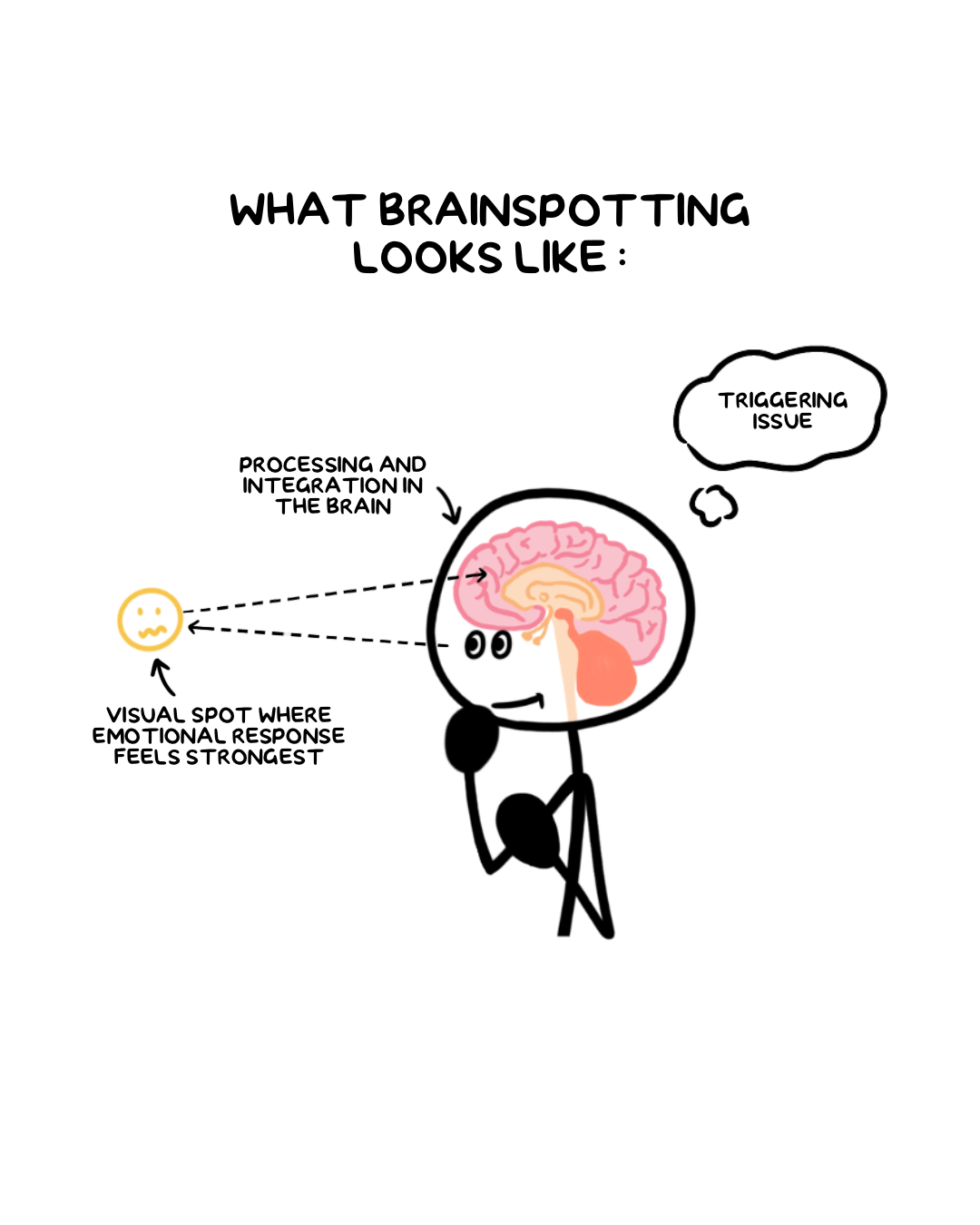
Internal Family Systems (IFS) is a therapeutic model that views the mind as composed of a core "Self" and various sub-personalities, or "parts”, each with its own thoughts, feelings, and behaviours, that all make up an inner system within us. These parts are often formed in response to past experiences and can include protectors, wounded parts, or those holding unresolved trauma. The Self, which is calm, compassionate, and wise, is considered the natural leader of the system, and the goal of IFS is to help clients reconnect with their Self to engage with their parts in a healing way.
The goal of IFS is to help clients dialogue with these inner parts in order to explore and work through emotional blocks, heal past wounds, and release burdens that no longer serve them. By cultivating self-awareness and compassion, the therapy fosters greater balance and integration within the internal system, allowing the parts to work together more cooperatively. IFS offers the gift of inner harmony, guiding you toward a deeper sense of self-understanding, healing, and the ability to live with greater compassion and connection in all your relationships.
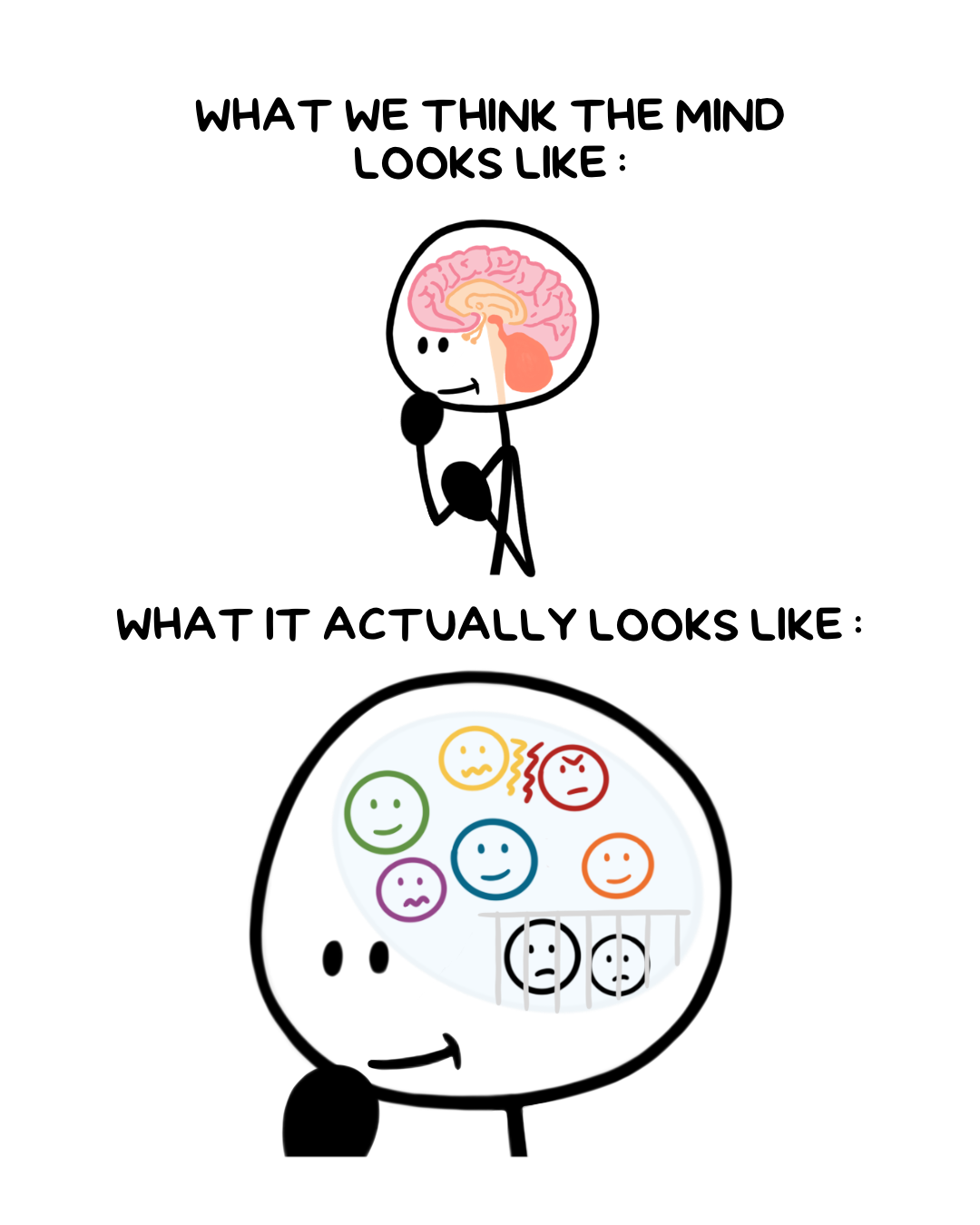
EFT centres emotional experiences as the core focus of therapy, grounded in the belief that emotions play a key role in how we connect and interact in close relationships. Rooted in attachment theory, it blends person-centered therapy with an experiential approach to help individuals and couples understand how their emotional and behavioural responses are influenced by past experiences and relational needs.
In EFT, the therapist helps clients recognise negative emotional patterns that can create distance or conflict. The process encourages clients to explore and express vulnerable emotions, fostering a deeper connection with themselves and others. By focusing on emotional awareness and responsiveness, EFT works to shift negative interaction patterns, enabling individuals to create more secure emotional bonds and healthier, more fulfilling relationships. Originally recognised as one of the gold-standard forms of couples therapy, EFT is now also widely used with individuals to support emotional regulation and healing.
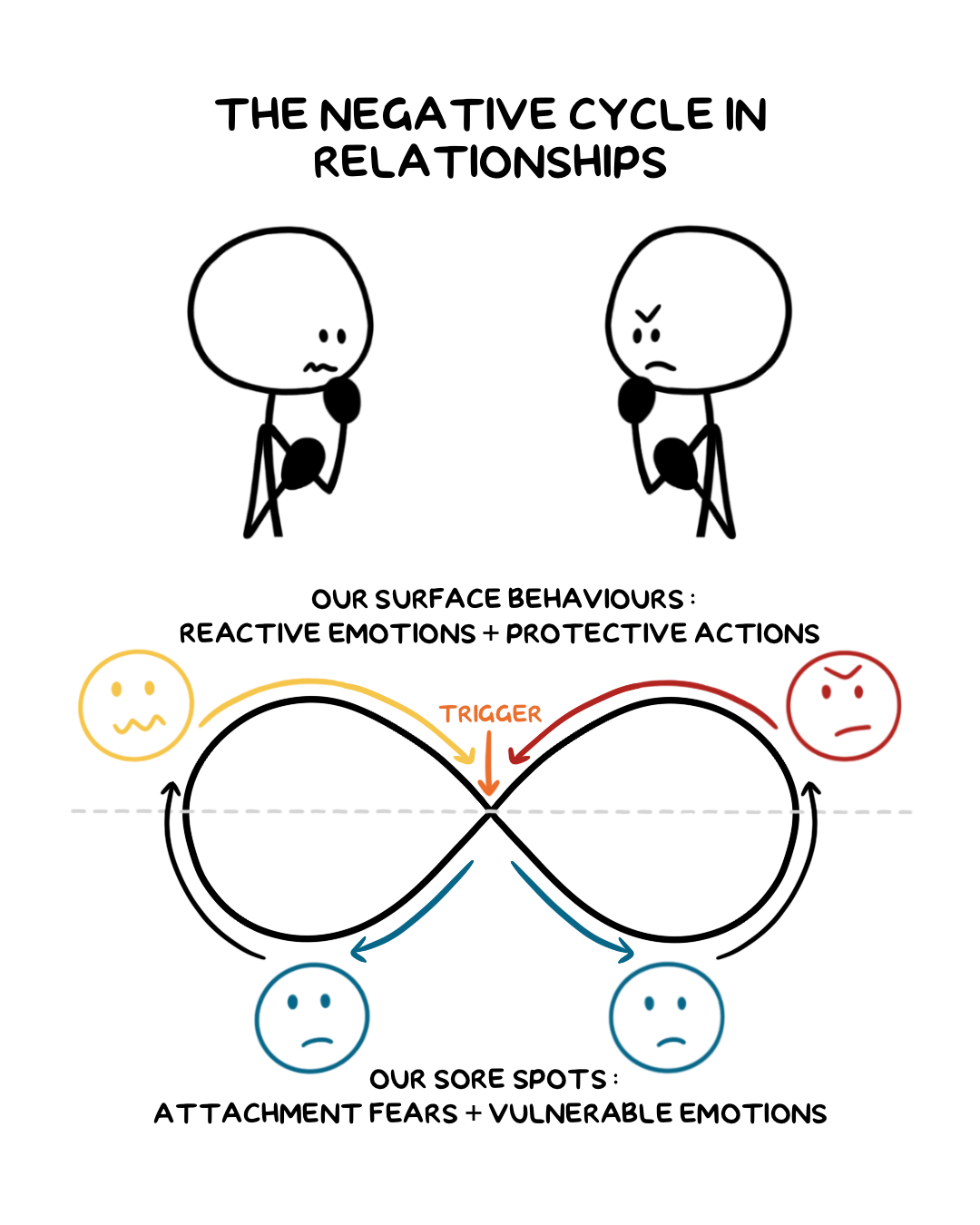
Brainspotting is a brain-based, relational approach that uses a person’s eye positions to facilitate rapid processing of unresolved traumatic events. In a brainspotting session, a therapist holds a pointer and guides the client’s eyes across a field of vision while the client talks about an issue or event that is causing distress in their life. The “brainspot” is a certain visual point that brings the strongest emotional reaction to the issue being spoken about, and by focussing on this spot with the safe guidance of a therapist, the trauma can be processed and integrated in the brain.
Brainspotting can be beneficial for people who have experienced complex trauma. It emerged as a slower-paced alternative to EMDR that is more person-centred, attuned, and follows the lead of the client, while still facilitating the neurological processing and reduction of traumatic symptoms and distress.
Registered with the Australian Counselling Association (ACA Level 3)
If you are interested in working with me, please get in touch for a brief chat to see if it feels like the right fit for you.
adriananaraicounselling@gmail.com
0466 325 554
King St, Newtown
Online via Zoom
◆ I look forward to hearing from you ◆